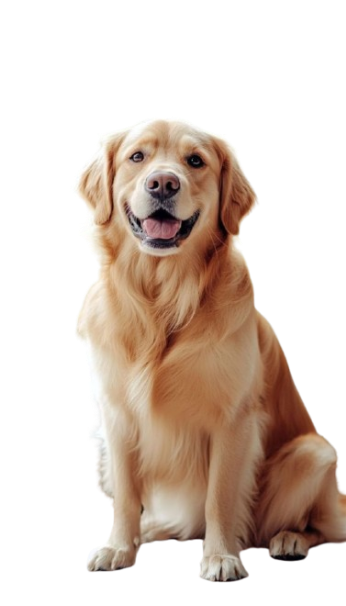
Know Your Pets
Every dog is special – with their own quirks, needs, and ways of showing love. 🐾 Understanding them better helps you build a stronger bond and give them the happiest life possible.
Behavior & Body Language 🐕
Tail Talk
–
loose,wagging tail
is happiness,excitement ,tucked tail
is fear,nervousness,or submission,stiff upright tail
is alertness, dominance,tension.
slow wag
might mean uncertainty or caution, while a
full-body wag usually shouts
pure joy
Ears & Eyes
–
Perked-up ears & wide, bright eyes
shows curiosity, interest,excitement,
Ears pinned back with narrowed eyes
may signal fear, stress, or submission,
Soft, relaxed eyes with neutral ears
usually mean your pup feels calm and content,
Direct, hard stares can
sometimes indicate guarding or aggression, while
gentle eye contact shows trust
and affection.
Posture & Movement
– A
relaxed stance with loose movements
shows your pup is comfortable and at ease,
Standing tall and leaning forward
often signals confidence, alertness, or even dominance,
crouched or lowered body
usually means fear, anxiety, or submission,Play bows
(front legs stretched, bottom in the air) are clear invitations
to play🎾,
Pacing, restlessness, or trembling
can be signs of stress or unease.
Sounds & Vocalization
– Happy barks or yips mean
excitement, joy, or playing desire to play,
Low growls signal discomfort,
warning, or need space,
Whining or whimpering
often indicates stress, anxiety, or seeking attention,Howling
may be a way to communicate with other dogs, express loneliness,
or respond to sounds,Chirps, grunts, or playful yelps
appear during play and mean your dog is enjoying themselves.
Play Signals
– Play bows (front legs
stretched, rear up) are invitation to play,Bouncy, exaggerated movements
usually signal excitement & friendliness,Relaxed open mouth & wagging tail
indicate enjoyment during play.Stiff body, tucked tail, or ears back
during interaction mean your dog is uncomfortable or stressed,
Vocal cues like playful yips
versus sharp growls help you differentiate fun from warning.
By tuning into these signals, you’ll strengthen trust, reduce
misunderstandings, and deepen the bond you share with your
furry friend. 🐾❤️
Health & Wellness 🩺
Signs of Good Health –
shiny coats, bright eyes, steady energy, and all the little cues
that show your dog is thriving.
Common Health Concerns
– Skin Issues 🐾 – allergies,
itching, hot spots, or infections,Ear Infections 👂
– shaking head, scratching, or foul odor,Dental Problems 🦷
– tartar buildup, bad breath, gum disease, or tooth pain,Digestive Upsets 🍲
– vomiting, diarrhea, constipation, or loss of appetite,Parasites 🦟
– fleas, ticks, worms, and mites causing irritation or
illness,Joint & Mobility Issues 🦴
– arthritis, hip dysplasia, or stiffness in older dogs,Obesity ⚖️
– excess weight leading to heart disease, diabetes, and joint
strain,Respiratory Problems 🌬️
– coughing, wheezing, or labored breathing,ye Conditions 👀
– redness, cloudiness, excessive tearing, or vision change,
Behavioral Concerns 💭 –
anxiety, aggression, or sudden changes in mood
Preventive Care –
Vaccinations 💉 – protect your
dog from rabies, parvovirus, distemper, and kennel cough.
Puppies need a full vaccination schedule & adults require
boosters,Parasite Protection 🦟
– year-round prevention against fleas, ticks, heartworms, &
intestinal worms is essential for your dog’s comfort
&long-term health,
Routine Vet Checkups 👩⚕️ –
annual visits help spot issues early, even before symptoms
appear,Dental Care 🦷 –
regular teeth cleaning and checkups prevent gum disease and
infections,Healthy Lifestyle ⚖️
– balanced diet, regular exercise, and mental stimulation all
contribute to long-term wellness.
Fitness & Exercise
– Daily Walks 🚶♂️ – foundation
of every dog’s fitness routine. Walks provide exercise, bonding
time,& mental stimulation through sights and smells.
Playtime 🎾 – fetch, tug-of-war, or
chase games keep your dog active while strengthening your bond,
Training as Exercise 🧠 –
practicing commands or learning new tricks engages both body
& mind, Off-Leash Fun 🐕 –
safe, enclosed areas like dog parks allow free running, which is
great for high-energy breeds,
Interactive Toys 🧩 – puzzle
feeders and treat-dispensing toys combine play with
problem-solving,
Breed & Age Needs 🐶 –
puppies may need short bursts of play, adults require consistent
workouts, & seniors benefit from gentle walks &
stretching.
✨
Tip:
A well-exercised dog is not only healthier but also calmer, less
anxious, & better behaved.
Mental Wellness
– Routine & Stability 🕒 –
dogs feel safe when life is predictable. Regular feeding,
walking, & sleeping times reduce stress,
Quality Time 🤗 – cuddles,
play, and simply being near you give them comfort and security,
Enrichment Activities 🧩 –
puzzle toys, scent games, and training exercises keep their
minds active and prevent boredom,
Socialization 🐕🦺 – safe,
positive exposure to people, pets, and environments helps build
confidence and reduce fear,Calming Strategies 🌿
– soothing music, gentle massage, or safe spaces can ease
anxiety (especially during fireworks or storms),Exercise & Play 🎾
– physical activity also reduces stress and lifts mood.
✨
Tip: When your dog feels loved, secure,
and mentally engaged, you’ll notice fewer behavior problems and
a deeper, happier bond.
Because your dog’s well-being isn’t just about a longer life
– it’s about a happier, healthier, tail-wagging life. 🐾✨
Diet & Nutrition 🍲
Balanced Diet Basics –
Proteins 🍗 – build &
repair muscles, support growth, & keep your pup energetic.
Found in chicken, fish, lamb, & plant-based sources like
lentils,Carbohydrates 🌾 –
provide energy for daily activities. Brown rice, oats, &
sweet potatoes are healthy options,Fats 🥥
– fuel the body, keep the coat shiny, and support brain health.
Look for healthy fats from fish oil, chicken fat, or flaxseed,Vitamins 🍊
– essential for immunity, bone strength, and metabolism. Fruits,
veggies, and fortified foods provide these nutrients,Minerals 🧂
– calcium, phosphorus, iron, and zinc support strong bones,
teeth, and overall health.
✨
Tip: Every dog’s nutritional needs vary
depending on age, size, and activity level. Puppies, adults, and
seniors all require different balances — and your vet can help
you choose the best diet plan.
Puppy, Adult & Senior Needs
🐾 Puppies (0–12 months) -
High Protein & Fat –
supports rapid growth, muscle development, and endless puppy
energy,
Calcium & Phosphorus –
build strong bones and teeth,
Small, Frequent Meals – easier
to digest and keeps energy steady.
🐕 Adults (1–7 years) -
Balanced Nutrition – steady
protein, healthy carbs, and fats for strength and stamina.,Portion Control
– prevents obesity while maintaining muscle,
Active Lifestyle Support –
diets tailored to breed, size, and energy levels.
🐶
Seniors (7+ years) -
Lower Calories – reduces
weight gain as activity slows down,Joint Support
– foods rich in glucosamine, chondroitin, and omega-3s.
Easily Digestible Foods
– softer textures and fiber for better digestion,Special Formulas
– may need kidney, heart, or weight management diets as
prescribed by a vet.
✨ Tip: No
matter the age, fresh water should always be available, and diet
changes should be gradual to avoid tummy troubles.
Choosing the Right Food
– Dry Food (Kibble) 🍪 –
convenient, cost-effective, and helps keep teeth cleaner by
reducing tartar buildup. Great for most healthy dogs,Homemade Diets 🍳
– gives you full control over ingredients. Works well if
properly balanced with proteins, carbs, fats, and supplements
(best planned with a vet),
Raw Diets 🥩 – mimics a
natural ancestral diet and may improve coat, digestion, and
energy. Must be carefully sourced and handled to avoid
contamination,Specialized Diets 🧪
– prescription or breed-specific formulas for allergies, kidney
issues, weight management, or sensitive stomachs.
✨
Tip: The “best food” is the one that
suits your dog’s needs — age, activity
level, breed, and any health conditions. Always check with your
vet before making big diet changes.
Treats & Snacks
–
Small, Soft Training Treats 🎯
– perfect for frequent rewards during training sessions,Natural Chews 🦴
– like carrots, sweet potatoes, or bully sticks, which promote
dental health and keep pups busy,Freeze-Dried or Dehydrated Snacks ❄️
– high in nutrients, easy to store, and low in additives,Fruit & Veggie Bites 🍎🥕
– safe options like apple slices, blueberries, or green beans
(avoid grapes, onions, and avocado),Homemade Treats 🏠
– simple recipes let you control ingredients, ensuring your dog
gets tasty snacks without unnecessary sugar or salt.
✨
Tip: Treats should make up no more than
10% of your dog’s daily calories, so
their main meals remain balanced and healthy.
Foods to Avoid
– Chocolate 🍫 – contains
theobromine, which is toxic to dogs,Grapes & Raisins 🍇
– can cause kidney failure,Onions, Garlic, Leeks,
Chives 🧅 – may damage
red blood cells and cause anemia,Avocado 🥑
– contains persin, which can upset a dog’s stomach,Alcohol & Caffeine ☕🍷
– extremely toxic, even in tiny amounts,Xylitol (Sugar Substitute) 🍬
– found in gum, candies, and baked goods; can cause rapid
insulin release and liver failure,
Macadamia Nuts 🌰 – can cause
weakness, tremors, and overheating,
Cooked Bones 🍖 – may splinter
and cause choking or internal injury.
Fatty Foods 🍟
– high-fat foods can lead to pancreatitis.
✨
Tip: When in doubt, stick to
dog-safe fruits, vegetables, and specially formulated
treats, and always check with your vet if your dog accidentally
ingests something suspicious.
When you feed your dog right, you’re not just filling their
bowl – you’re filling their life with health, strength, and
joy. ❤️🐕
Emotional Needs 💖
Love & Companionship –
Dogs are social creatures who thrive on connection. Your
presence isn’t just comforting – it’s essential to their
happiness and emotional health,Quality Time Together ⏰
– walks, play, cuddles, or simply being near you strengthens
your bond,Reassurance & Security 🛡️
– being there during storms, vet visits, or new experiences
helps your dog feel safe,Affection & Praise 💕
– gentle petting, kind words, and positive reinforcement make
them feel loved and valued,Shared Activities 🎾
– games, training, and outings build trust and enjoyment for
both of you.
✨ Tip: Even a few
minutes of focused attention every day can make a world of
difference in your dog’s emotional well-being.
Play & Engagement
– Dogs need both physical activity and mental stimulation to
stay happy and healthy. Fun, interactive activities keep boredom
away, reduce stress, and strengthen your bond,Fetch & Tug-of-War 🎾
– classic games that burn energy and build coordination,Training Games 🧠
– teaching tricks or commands engages their mind while
reinforcing good behavior,
Puzzle Toys & Treat Games 🧩
– challenge your dog’s problem-solving skills and reward them
for effort,Scent Games 👃 –
hide treats or toys for your dog to find, tapping into their
natural sniffing instincts,Social Play 🐕🦺
– supervised interactions with other dogs help with social
skills and confidence.
✨
Tip: Rotate activities regularly to
keep things fresh, and always match playtime to your dog’s age,
breed, and energy level.
Comfort & Security
– Dogs feel happiest when they know they are safe and their
environment is predictable. Providing comfort and security
reduces stress and helps them thrive emotionally,Safe Spaces 🏡
– create a cozy bed, crate, or quiet corner where your dog can
relax undisturbed,Consistent Routines ⏰
– regular feeding, walks, and bedtime help your pup feel
secure,Gentle Handling 🤲 –
calm petting, slow movements, and patient guidance reduce
anxiety,Positive Reinforcement 💖
– praising good behavior builds confidence and trust,Stress-Free Exposure 🌿
– gradually introducing new experiences, sounds, or people
prevents fear and promotes confidence.
✨
Tip: A dog who feels safe and secure is
more confident, calmer, and ready to enjoy play, training, and
bonding with you.
Understanding Stress & Anxiety
– Just like humans, dogs can experience stress and anxiety —
they just show it in different ways. Learning to recognize the
signs early helps you comfort them and prevent bigger behavioral
issues,Common Signs 😟 –
restlessness, pacing, whining, excessive licking, yawning, or
destructive chewing,Triggers ⚡
– loud noises (like fireworks or thunder), separation from you,
unfamiliar people, or changes in routine,Body Language Cues 🐕
– tucked tail, flattened ears, trembling, or avoiding eye
contact can all signal distress,How to Help 💖
– stay calm, speak softly, and offer gentle reassurance. Create
a safe, quiet space and avoid punishment,Comfort Tools 🌿
– try soothing music, calming chews, or anxiety wraps during
stressful events,Professional Support 👩⚕️
– if anxiety is frequent or severe, a vet or animal behaviorist
can recommend training or medication.
✨
Tip: The best remedy for anxiety is
your patience, love, and consistent presence — because nothing
soothes a worried pup like knowing their favorite human is
near.
Positive Reinforcement
– Dogs learn best when they feel loved, safe, and encouraged.
Positive reinforcement is all about rewarding good behavior —
not punishing mistakes — to build trust, confidence, and
lifelong good habits,Praise & Affection 💖
– a cheerful “good boy!” or a gentle pat goes a long way in
making your dog feel proud,Treat Rewards 🍪
– small, healthy treats given right after good behavior help
your dog connect actions with rewards,Play as a Reward 🎾
– a quick game of fetch or tug-of-war reinforces good habits in
a fun way,Consistency is Key 🔁
– reward the same behavior every time to help your dog
understand what’s expected,
Patience & Positivity 🌟 –
avoid yelling or punishment; instead, redirect gently and
celebrate progress.
✨
Tip: Positive reinforcement doesn’t
just teach—it strengthens your bond. Your dog learns to trust,
listen, and look to you for guidance with joy, not fear.
Daily Routines & Activities 🎾
Morning Energy Boost –
Starting the day with a little movement sets a positive tone for
both you and your dog! Morning activity helps release built-up
energy, supports good digestion, and keeps your pup alert and
happy all day long,Morning Walks 🚶♂️
– a refreshing stroll lets your dog stretch, explore, and take
in new scents while burning early energy,Playtime 🎾
– a short game of fetch or tug-of-war keeps their body active
and mind engaged,Light Training 🧠
– practice a few commands like “sit,” “stay,” or “come” — it
sharpens focus and builds good habits,Mental Stimulation 🧩
– use treat puzzles or scent games to wake up their brain as
much as their body.
Hydration & Breakfast 🍲💧
– after exercise, provide fresh water and a healthy meal to
start their day strong.
✨ Tip: A
few active minutes in the morning can prevent restlessness later
— and make for a calmer, happier companion throughout the
day.
Meal & Snack Times
– Dogs thrive on routine — and that includes their meals! A
consistent feeding schedule keeps their digestion steady, energy
balanced, and mood happy,Regular Meal Times 🍲
– feeding your dog at the same times each day helps regulate
metabolism and prevents overeating,Portion Control ⚖️
– measure meals based on age, size, and activity level to
maintain a healthy weight,Balanced Nutrition 🥦
– every meal should include the right mix of protein, carbs,
fats, and nutrients for their life stage.
Healthy Snacks 🍪
– small treats during training or between meals are great
motivators — just keep them under 10% of daily calories.
Hydration 💧
– always provide fresh, clean water alongside meals.
✨
Tip: Dogs feel secure when their days
follow a rhythm — and that includes knowing when it’s time to
eat. A regular feeding routine means a happier tummy and a
calmer, healthier pup.
Play & Exercise
– Every dog needs movement — not just for fitness, but for joy!
Regular play and exercise keep their body strong, mind sharp,
and heart happy. The key is to match activities to your dog’s
age, breed, and energy level,
Puppies 🐶 – short bursts of
play, gentle walks, and soft toys help burn energy and build
coordination without tiring them out,Adults 💪
– daily walks, fetch, agility games, or tug-of-war provide great
physical and mental stimulation,Seniors 💤
– low-impact activities like short strolls or light indoor play
help maintain mobility and comfort,High-Energy Breeds 🐕🦺
– dogs like Border Collies or Labradors thrive on running,
hiking, or puzzle games that challenge both body and brain,Low-Energy Breeds 🦴
– breeds like Bulldogs or Basset Hounds prefer shorter walks and
relaxed playtime.
✨ Tip: Combine
physical activity with mental enrichment — think hide-and-seek,
scent games, or training drills. A tired dog is a happy dog!
🐾❤️
Rest & Relaxation
– Just like humans, dogs need downtime to stay healthy, calm,
and happy. Sleep and relaxation help their body recover from
play and exercise, while giving their mind time to recharge,Daily Naps 🐾
– dogs sleep anywhere from 12 to 16 hours a day, depending on
age and activity. Puppies and seniors need even more,Quiet Zones 🏡
– create a peaceful spot with a comfy bed or blanket where your
dog can unwind without distractions,Post-Play Wind-Down 🐕
– after exercise or excitement, allow time for your pup to cool
down and relax,Comfort Items 🧸
– familiar scents, favorite toys, or soft bedding help them feel
safe and secure,Routine Rest 🌙
– sticking to regular sleep schedules helps reduce anxiety and
supports emotional balance.
✨
Tip: Respect their nap times — even
short interruptions can cause stress or crankiness, especially
in puppies and older dogs. A well-rested pup is a calm, happy
companion! ❤️🐾
Nighttime Routines
– Evenings are the perfect time to help your furry friend relax
and feel safe before bed. A consistent bedtime routine not only
improves their sleep but also builds a sense of comfort and
trust,Evening Walk 🚶♂️ – a
calm, short walk helps them stretch, release energy, and settle
down for the night,Quiet Time 💕
– lower lights, reduce noise, and spend a few gentle minutes
cuddling or brushing your dog,Comfortable Sleeping Spot 🛏️
– a clean, soft bed in a quiet, cozy corner gives them a sense
of security,
Hydration & Bathroom Break 🚰
– ensure they have water and a final potty break before
bedtime,Consistent Routine ⏰
– try to stick to the same schedule so your pup knows when it’s
time to rest.
✨ Tip: Avoid
late-night play or heavy meals close to bedtime — calm energy
helps your dog drift into peaceful, tail-wagging dreams. 💫🐶